

Embarking on the journey of dog obedience training is more than just teaching commands; it's about fostering a deeper connection with your furry friend and ensuring their overall well-being. A well-trained dog is a happy dog, and a happy dog makes for a happy owner. Let's explore some essential tips to help you navigate the world of dog obedience training and create a harmonious relationship with your canine companion.
Start Early with Socialization
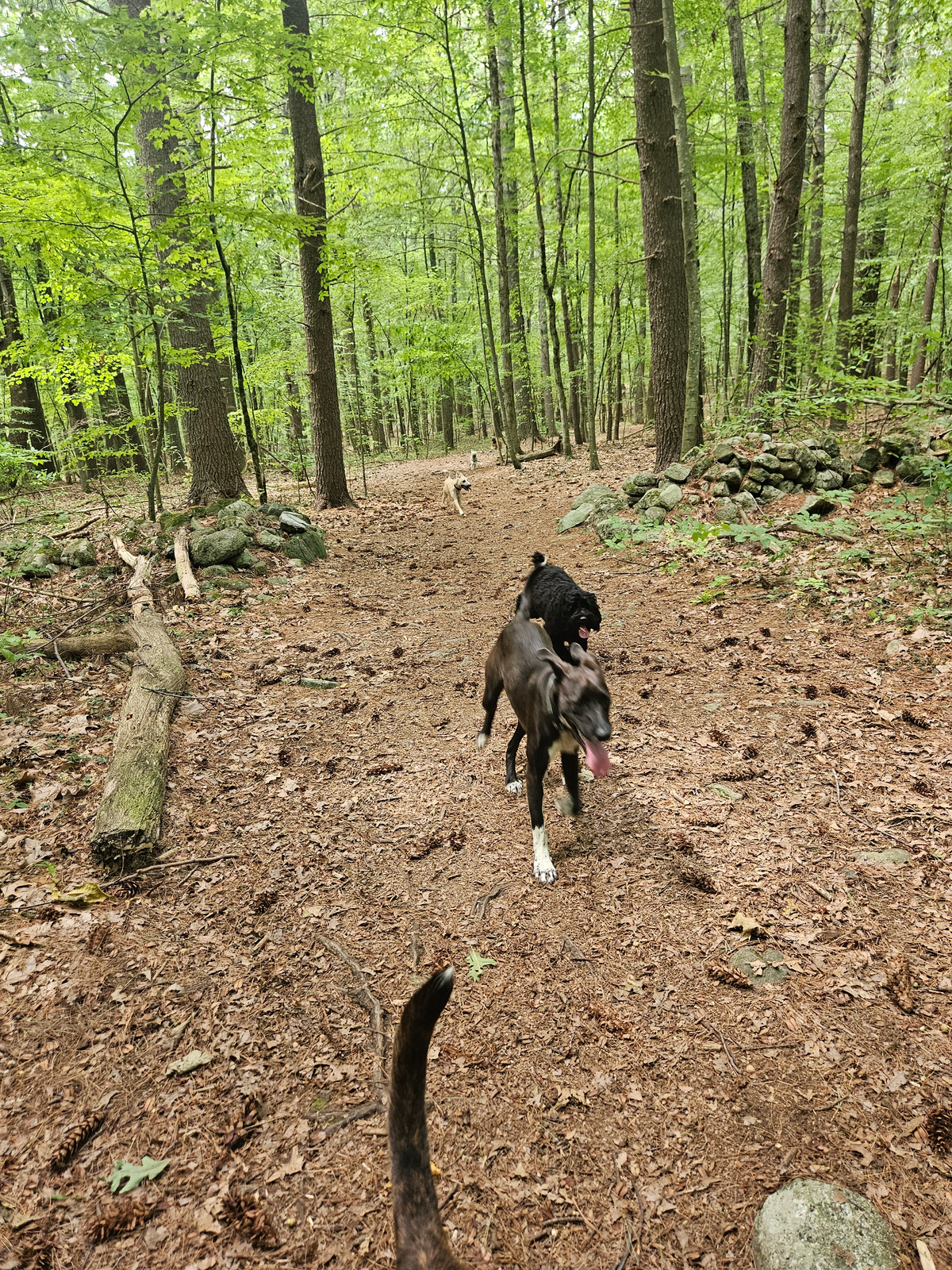
Early socialization is key to developing a well-adjusted dog. Expose your puppy to various sights, sounds, people, and other animals in a controlled and positive manner. This helps them build confidence and reduces the likelihood of developing fear or aggression later in life. Socialization lays the foundation for successful dog obedience training by creating a dog that is receptive to learning and comfortable in different environments.
Positive Reinforcement is Your Best Friend
Forget harsh corrections; positive reinforcement is the name of the game. Reward your dog with treats, praise, or toys when they exhibit desired behaviors. This creates a positive association with training and motivates them to repeat those behaviors. Consistency is crucial, so make sure everyone in the family is on board with the same training methods.
Keep Training Sessions Short and Sweet
Dogs have short attention spans, so keep training sessions brief and engaging. Aim for 10-15 minute sessions a few times a day. End each session on a positive note, leaving your dog eager for the next one. This approach prevents frustration and keeps your dog motivated to learn.
Master the Basic Commands
Start with the fundamentals: sit, stay, come, down, and leave it. These basic commands are the building blocks for more advanced training. Use clear and concise verbal cues, and pair them with hand signals for better understanding. Practice these commands in various locations to generalize your dog's learning.

Address Problem Behaviors with Patience
Every dog is unique, and some may exhibit challenging behaviors like excessive barking, chewing, or jumping. Address these issues with patience and understanding. Identify the root cause of the behavior and seek guidance from a professional dog trainer if needed. Remember, consistency and positive reinforcement are key to modifying unwanted behaviors.
Make it Fun and Engaging
Dog obedience training shouldn't feel like a chore. Incorporate games and activities that make learning fun for both you and your dog. Use toys, puzzles, and interactive training tools to keep your dog mentally stimulated and engaged. A happy and motivated dog is more likely to excel in their training.
Dog obedience training is an investment in your dog's well-being and your relationship with them. If you're looking for dog bootcamp options or a dog trainer in the Boston area to help you on this journey, reach out to us today!