
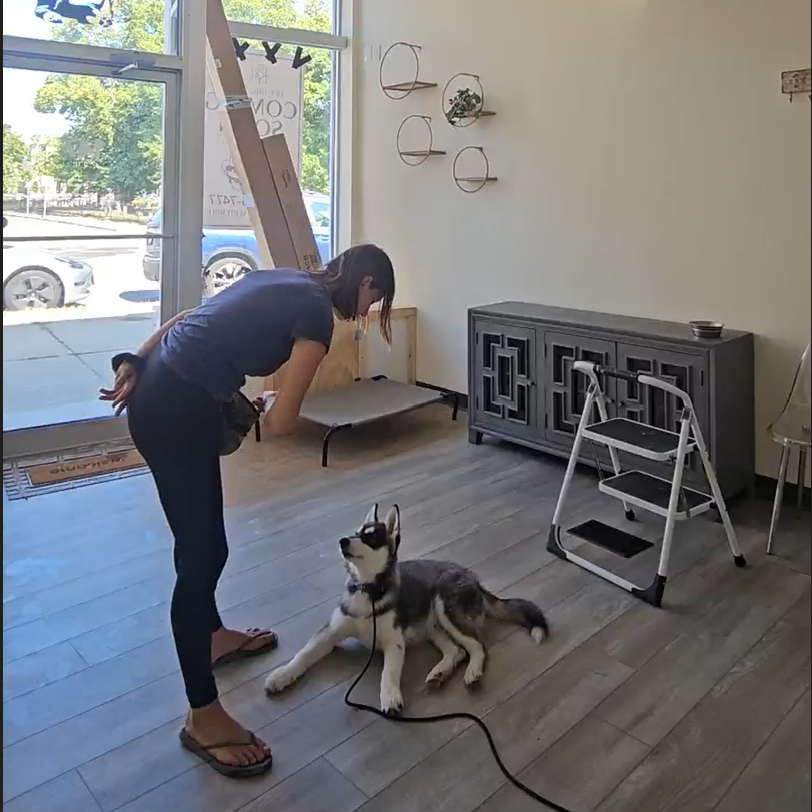
It's a common scenario for many dog owners: your beloved companion follows every cue perfectly at home, but the moment you step outside, and a squirrel darts by or another dog appears, all commands seem to vanish into thin air. Understanding why your dog ignores commands when distracted is crucial for building a stronger, more reliable bond. At Tayls N Trails, we believe that by tapping into their instincts and providing structured guidance, we can help dogs navigate our complex human world.
The Power of Instincts: Why Distractions Take Over
Dogs are instinctual beings, and their world is rich with sensory information that our human brains often filter out. A rustling bush might be wind to us, but to a dog, it could signify potential prey, a new scent, or an intriguing mystery to explore. These powerful natural drives – hunting, sniffing, exploring, socializing – are deeply ingrained and can easily override learned behaviors, especially when those behaviors are not yet fully solidified in distracting environments. It’s not that your dog is being disobedient; rather, their primal programming is simply taking precedence over their desire to please you in that moment.
Building a Foundation of Focus
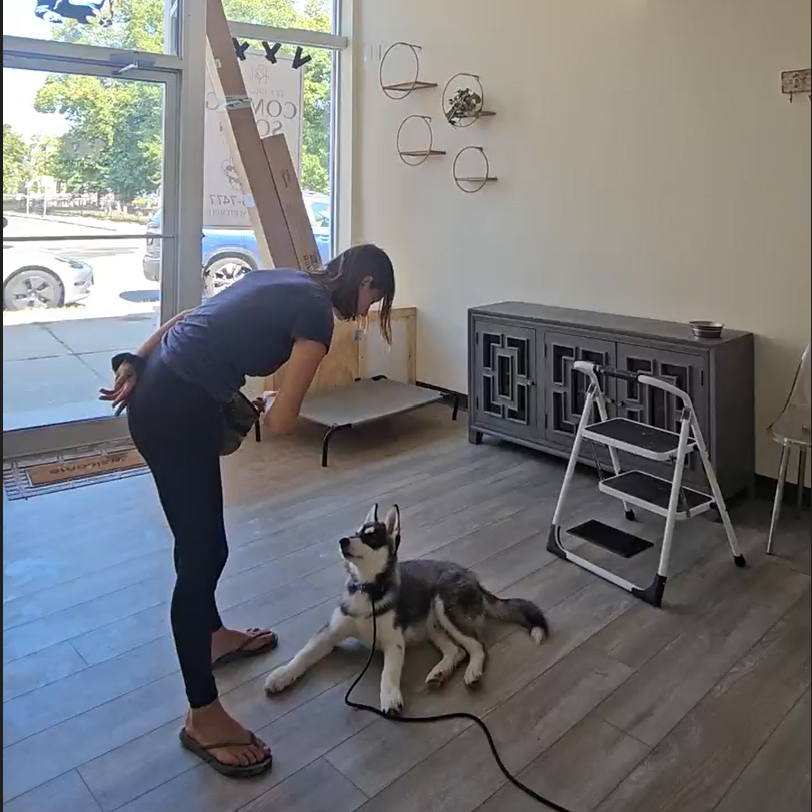
The journey to a distraction-proof dog begins with solid foundational dog training in low-distraction environments. Just like children learn to read in a quiet classroom before tackling a bustling library, dogs need to master commands without competing stimuli. A skilled dog trainer understands the importance of starting simple, ensuring your dog can reliably respond to cues like "sit," "stay," and "come" in a calm setting. This builds confidence in both you and your dog, establishing a clear communication channel that can later be tested and strengthened against real-world challenges. Consistency, clear communication, and positive reinforcement are the cornerstones of this crucial stage.
Mastering Distractions Through Structured Exposure
Once your dog has a strong understanding of basic commands, the next step is to introduce distractions gradually. This isn’t about throwing them into the deep end, but rather a carefully planned progression. Start with minor distractions, like a familiar toy or a distant sound, and slowly increase the intensity. Pack walks, for instance, can be a fantastic way to introduce social and environmental distractions in a controlled group dog training setting. For more targeted support, private dog training allows a dedicated professional to identify specific triggers and craft strategies tailored to your dog's unique needs, helping them learn to focus even when their natural curiosity is piqued.
Tailoring Training for Individual Needs
Every dog is an individual, and what distracts one might not faze another. Some dogs are highly visual, while others are scent-driven. Recognizing your dog’s specific challenges is key to effective training. For dogs who struggle significantly with focus or those with more complex behavioral patterns, an immersive program like board and train can offer an intensive, consistent environment to build strong habits away from daily distractions. This allows dedicated professionals to work through challenging behaviors and reinforce desired responses around various stimuli, ensuring your dog returns home with a much-improved ability to focus and respond, no matter the environment.
Understanding why your dog struggles with distractions is the first step toward helping them become a more balanced and responsive companion. By respecting their instincts, building solid foundations through consistent dog training, and systematically introducing distractions, you can help your dog learn to make the right choices even in stimulating environments. If you're looking for guidance on how to help your dog thrive amidst distractions, contact our team today, and we will help create confident, well-rounded companions.